CISO • OPERATIONS
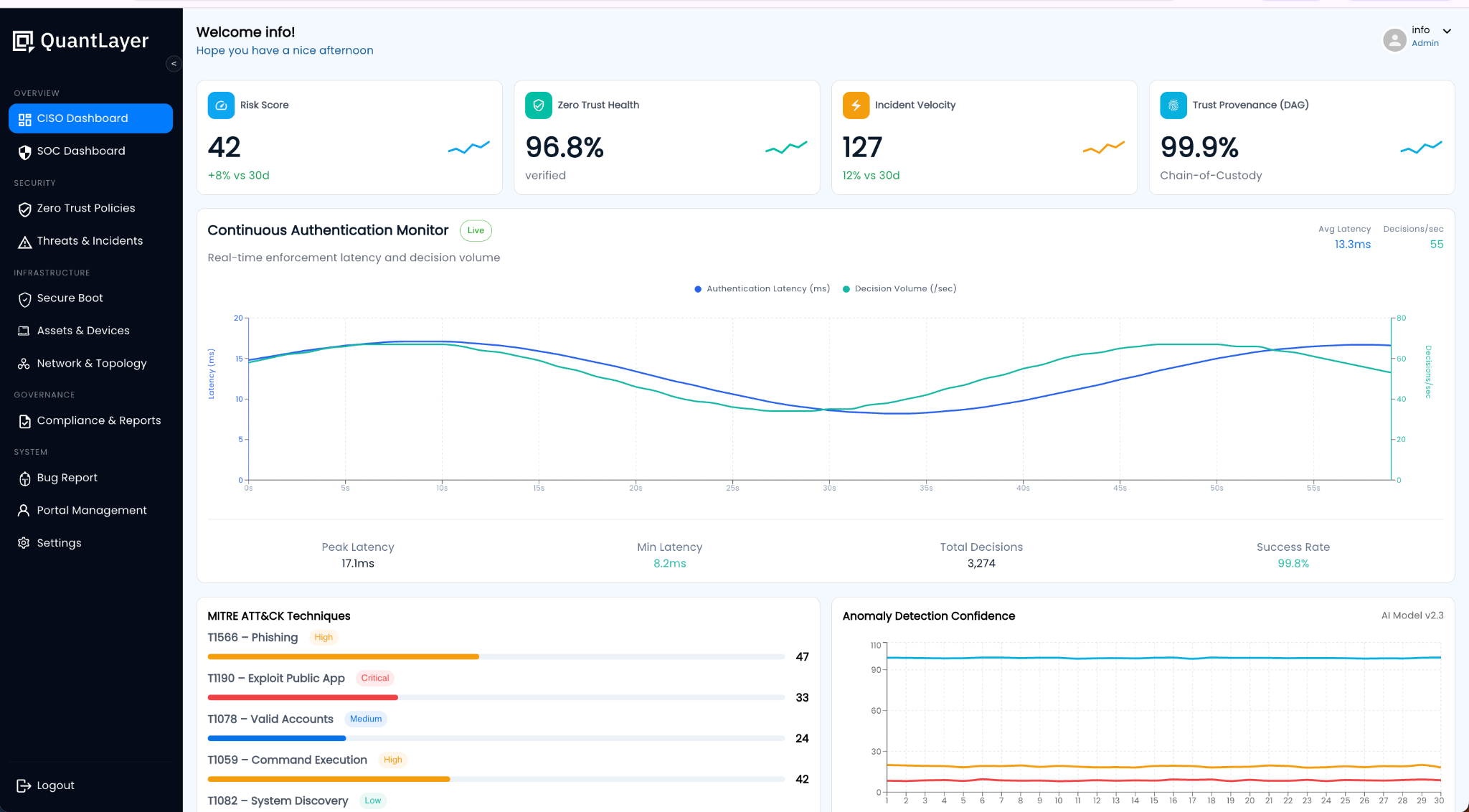
Incident Velocity
Measures how fast threats are occurring and how quickly the organization detects, contains, and resolves them.
What it shows
Incident Velocity focuses on operational tempo: new alerts per unit time, mean time to detect/contain, and whether response capacity is keeping up with exposure.
How it’s calculated
- Alert ingestion rate from sensors, agents, and collectors (IT/OT/IoT).
- Deduplication and correlation to reduce “alert storms”.
- Containment timing (automatic vs manual steps).
- Severity weighting (critical events influence velocity more than low).
What to do next
- 1Confirm containment pathways: which event types are auto-contained vs manual.
- 2Tune noisy detectionsby adjusting thresholds, allow-lists, and asset context.
- 3Increase automationfor repeatable incidents (quarantine, access deny, traffic filter).
- 4Use velocity spikesas triggers for posture reviews and emergency patch windows.
KPIs to watch
MTTD
minutes
MTTC
minutes
Manual interventions
count
Why this matters to a CISO
AI only works if it’s trustworthy
If models drift or confidence drops, you’re flying blind. This keeps the AI layer honest.
Drift is normal in OT
New firmware, new shifts, new processes-all cause drift. You need to detect it early before it erodes detection quality.
Confidence drives automation
You can’t let AI auto-contain based on shaky confidence. This metric ensures automation stays aligned with risk appetite.
Feedback loops improve accuracy
Every analyst decision sharpens the models. This closes the loop between human intelligence and machine learning.
Reference UI Screenshot