CISO • OT
OT Protocol Anomalies
Surface top anomalous OT protocols (e.g., Modbus, OPC UA, BACnet) and associated risk classifications.
What it shows
This panel detects OT-native threats-unexpected reads/writes, unusual command patterns, and protocol misuse that can indicate reconnaissance or sabotage.
How it’s calculated
- Protocol baselining by site/zone (normal command patterns, normal talkers, normal timing).
- Anomaly scoring considers function codes, frequency, payload characteristics, and endpoints.
- Correlates to assets and segmentation boundaries to identify lateral movement.
What to do next
- 1Investigate high-risk protocolsand identify the talkers (engineering station, contractor VPN, rogue device).
- 2Apply traffic filteringor segmentation rules to contain within correct conduits.
- 3Harden remote accessand require hardware-backed identity for OT operators.
- 4Create allow-listsfor safe operations and alert on any deviation.
KPIs to watch
High anomalies
count
Protocols affected
count
Contained events
count
Why this matters to a CISO
AI only works if it’s trustworthy
If models drift or confidence drops, you’re flying blind. This keeps the AI layer honest.
Drift is normal in OT
New firmware, new shifts, new processes-all cause drift. You need to detect it early before it erodes detection quality.
Confidence drives automation
You can’t let AI auto-contain based on shaky confidence. This metric ensures automation stays aligned with risk appetite.
Feedback loops improve accuracy
Every analyst decision sharpens the models. This closes the loop between human intelligence and machine learning.
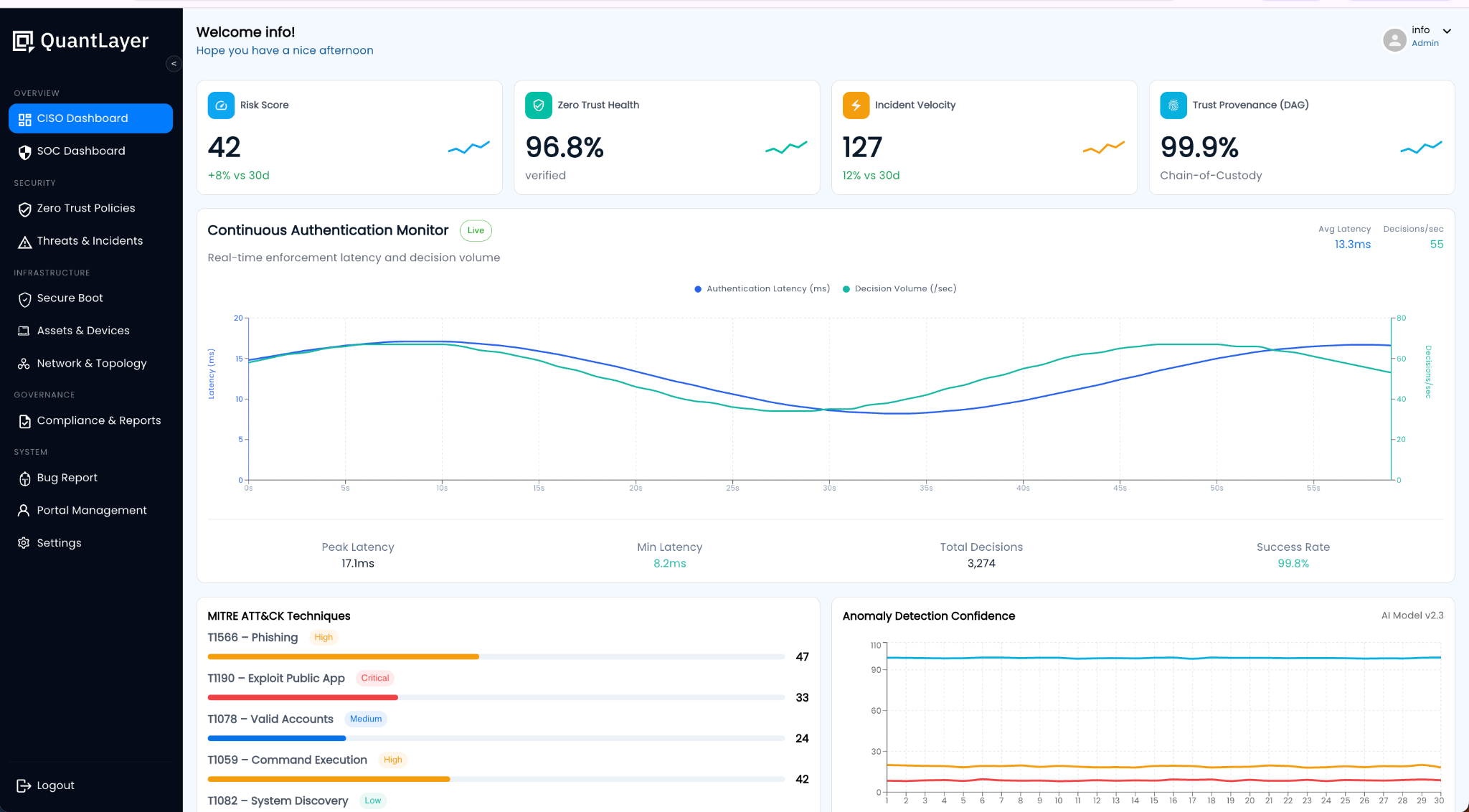
Reference UI Screenshot