CISO • POLICY
Policy Deviation Trend
Shows non-compliant actions over time and whether policy drift is improving or worsening.
What it shows
Policy drift is the silent killer of Zero Trust. This trendline shows where real operations are diverging from intended controls.
How it’s calculated
- Deviation events generated when access, segmentation, or identity rules are bypassed/violated.
- Trends computed per zone, per asset class, and per identity type (user/machine/service).
- Correlates deviations with incidents and risk score movements.
What to do next
- 1Identify recurring deviationsand remove root causes (legacy accounts, unmanaged devices, broken workflows).
- 2Replace exceptions with compensating controlsand enforce expiry dates.
- 3Adjust policies safelyvia staged rollout in OT to avoid downtime.
- 4Report drift reductionas a leading indicator of improved security posture.
KPIs to watch
Deviation count
/period
Top deviating zone
name
Exception expiry
days
Why this matters to a CISO
AI only works if it’s trustworthy
If models drift or confidence drops, you’re flying blind. This keeps the AI layer honest.
Drift is normal in OT
New firmware, new shifts, new processes-all cause drift. You need to detect it early before it erodes detection quality.
Confidence drives automation
You can’t let AI auto-contain based on shaky confidence. This metric ensures automation stays aligned with risk appetite.
Feedback loops improve accuracy
Every analyst decision sharpens the models. This closes the loop between human intelligence and machine learning.
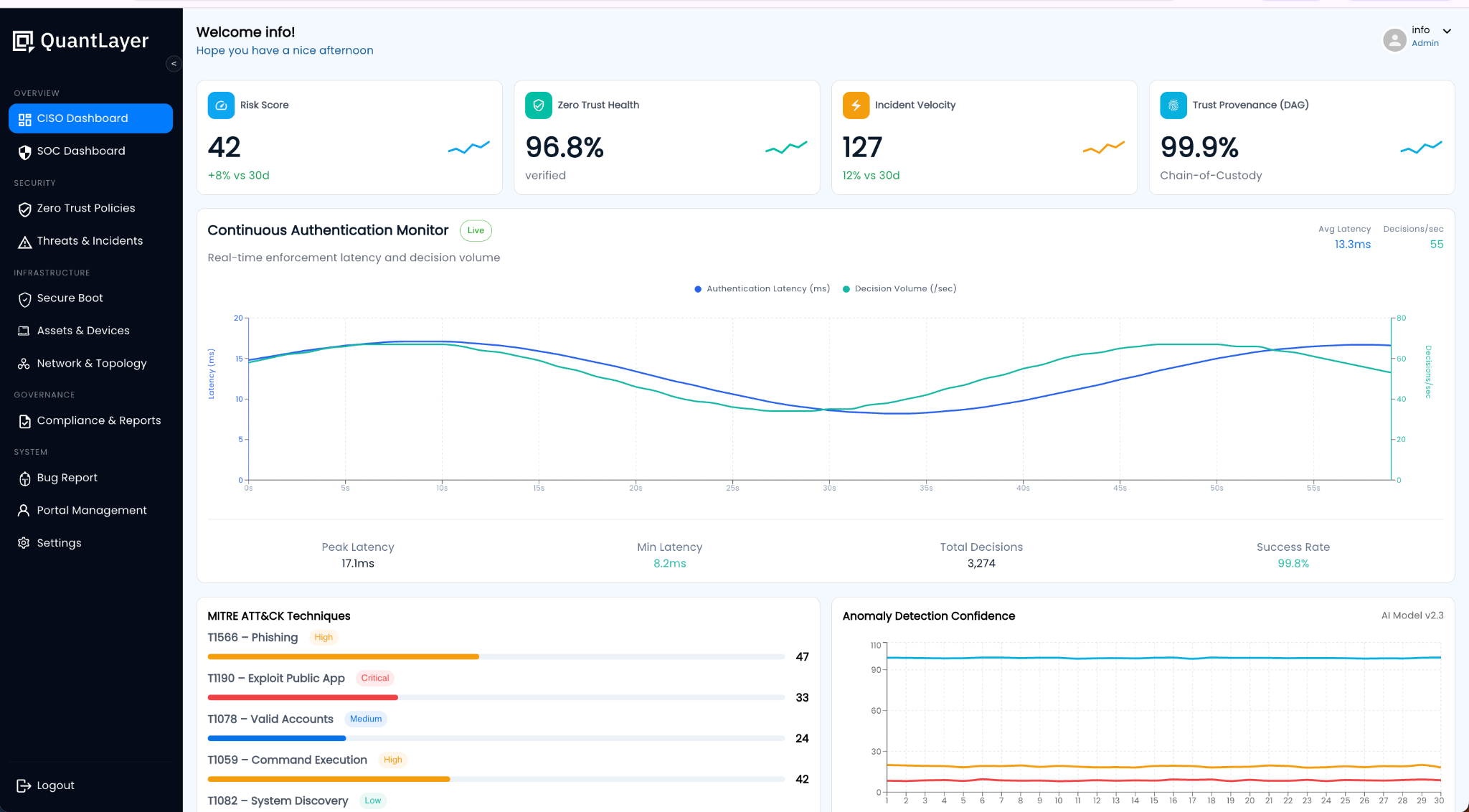
Reference UI Screenshot